Things to Do in Pittsburgh
20 Best Attractions, a 3-Day Itinerary, Where to Stay, and the Food You Cannot Miss
Quick Info
Best for: First-time visitors, sports fans, art lovers, families and food lovers who want a walkable, affordable American city
Best time: May to October; September and October are the sweet spot
How long: 3 days is ideal; 2 days covers the highlights
Budget: Roughly $150–$250 per person per day, mid-range, before hotel
Don’t miss: The Duquesne Incline at sunset, the Warhol Museum, a Pirates game at PNC Park, Phipps Conservatory and a Primanti Bros. sandwich
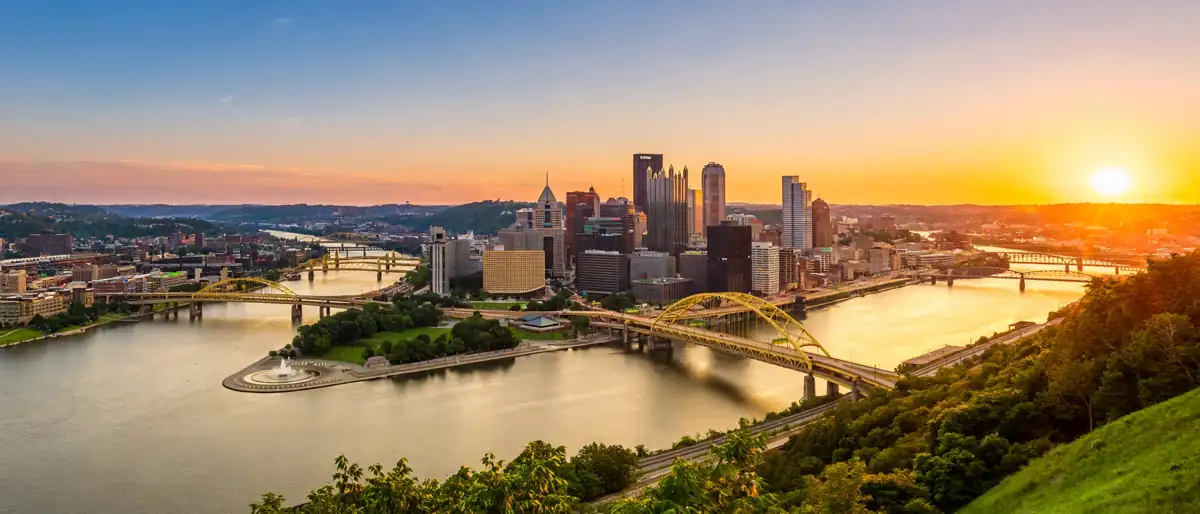
Pittsburgh surprises almost everyone who visits. The city that built America on steel has turned its rivers, bridges and old mills into one of the most likeable city breaks in the United States — 446 bridges, three rivers, world-class museums and a food scene that runs from pierogies to fine dining. This guide covers the 20 best things to do in Pittsburgh, with honest 2026 prices and the traps older guides still get wrong. Use our 3-day itinerary to plan the trip, check where to stay for the best neighbourhoods, read how to get around on the T and the inclines, taste the three foods every visitor should try, and finish with the free sights that cost nothing at all.
Pittsburgh is also the city that hosted the 2026 NFL Draft in April 2026 — a record 805,000 fans over three days — and the draft left the city with a brand-new public space, Arts Landing, which is now the permanent home of the Three Rivers Arts Festival. Read the Pittsburgh page on Wikipedia for the city’s full story, from steel town to the third most liveable city in the United States in The Economist Intelligence Unit’s 2024 Global Liveability Index.
Pittsburgh at a glance
| Topic | What to know |
|---|---|
| Best for | First-time visitors, sports fans, art lovers, families and food lovers |
| Best time to visit | May to October; September and October are best |
| How long | 3 days is ideal; 2 days covers the highlights |
| Budget | Roughly $150–$250 per person per day, mid-range, before hotel |
| Getting around | PRT buses and the T light rail, $2.75 for a 3-hour pass; two historic inclines |
| Don’t miss | The Duquesne Incline at sunset, the Warhol Museum, PNC Park, Phipps Conservatory and a Primanti Bros. sandwich |
| Airport | Pittsburgh International Airport (PIT), about 18 miles west of downtown; a brand-new terminal opened in November 2025 |
| Famous for | 446 bridges, three rivers, steel heritage, the Steelers and Primanti Bros. sandwiches |
The 20 best things to do in Pittsburgh
1. Ride the Duquesne Incline to Mount Washington
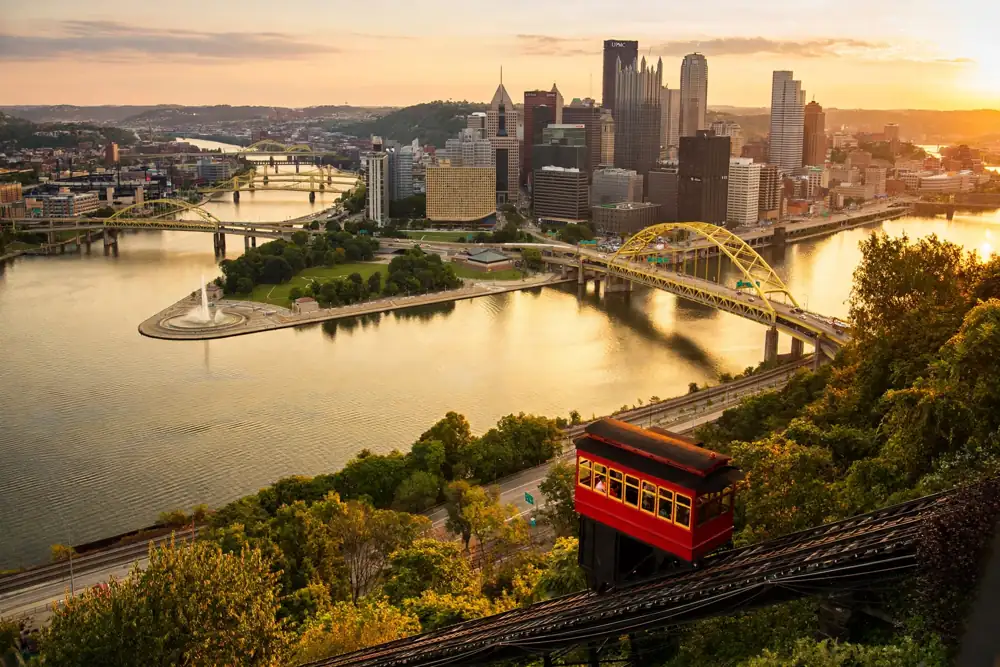
Start with the view that sells Pittsburgh to everyone. The Duquesne Incline is a red wooden funicular that has climbed Mount Washington since 1877, and it is one of only two of the city’s original 17 inclines still running — the other is the Monongahela Incline, opened in 1870. The ride takes about five minutes, the cars run roughly every five minutes, and the incline is open 365 days a year, from about 5:30 a.m. to 12:30 a.m. (from 7 a.m. on Sundays and holidays).
A one-way ticket costs $2.50, or $5 for a round trip, and it is cash only — bring exact change, although a change machine at the lower station dispenses dollar coins. Children aged 6 to 11 pay $1.25 one way or $2.50 return, children under 5 ride free, and seniors ride free with a Pennsylvania Senior Citizen Card. Students at the University of Pittsburgh, Carnegie Mellon and Chatham ride free too. The incline also accepts ConnectCard, and a $2.75 PRT app ticket is valid for three hours on both inclines. Parking at the lower station costs about $5 for two hours, although some visitors report $10.
Step off at the top and you are on Grandview Avenue, looking straight down at downtown Pittsburgh and the three rivers. It is the best view in the city, and at sunset it is one of the best city views in America. Read about the Duquesne Incline on Wikipedia before you go, and note the trap: older guides often quote the Monongahela Incline at the same $2.50, but it now runs on the $2.75 PRT fare, with a $3.50 round-trip ticket sold at the station. The Monongahela departs from Station Square, on the south bank of the river, and it accepts credit cards.
2. Point State Park and the Fort Pitt Museum
Point State Park is where Pittsburgh begins. The 36-acre park sits at the exact point where the Allegheny and Monongahela rivers meet to form the Ohio, and its fountain marks the spot. It is a free, open lawn with river views on three sides, a favourite place for locals to walk, picnic and watch the sunset — and it was the site of the free NFL Draft Experience fan festival in April 2026, when the park hosted hundreds of thousands of visitors for the draft.
Inside the park, the Fort Pitt Museum tells the story of the fort that gave the city its name, from the French and Indian War to the city’s founding. Admission is $10 for adults, $8 for seniors aged 65 and over, and $6 for students — and children aged 6 to 17 are free, as are children under 5. The museum is open daily from 10 a.m. to 5 p.m., and closed on New Year’s Day, Easter, Thanksgiving and Christmas. Do not miss the Fort Pitt Block House, built in 1764, which stands just outside the museum and is the oldest surviving building in Pittsburgh. Read about Point State Park on Wikipedia and Fort Pitt on Wikipedia.
Trap: several older guides still quote $8 adult admission and say the museum is closed on Mondays. Both are out of date. The museum was also temporarily closed for refurbishment until March 1, 2026 — it has reopened, and it is open every day of the week.
3. The Andy Warhol Museum
Andy Warhol was born in Pittsburgh in 1928, and the city keeps his memory in the largest museum in the world devoted to a single artist. The Andy Warhol Museum stands on the North Shore at 117 Sandusky Street, seven floors and 88,000 square feet of paintings, silkscreens, films, photographs and the famous Silver Clouds — plus the artist’s personal archive, the largest of any single artist. If you only visit one museum in Pittsburgh, make it this one.
Admission is $25 for adults and $13 for seniors aged 65 and over, students and children aged 3 to 18; children under 3 are free and members are free. The museum is open Monday and Wednesday to Sunday from 10 a.m. to 5 p.m., staying open until 8 p.m. on Fridays — and Friday evenings from 5 to 10 p.m. are half price. It is closed on Tuesdays, and tickets are timed, so book online. A $60 million expansion is underway to build a new performance arts venue in the surrounding Pop District, so expect some construction in the area. Read about Andy Warhol on Wikipedia.
Trap: older guides quote $20 adult and $10 concession admission, and some say the museum stays open until 10 p.m. on Fridays. The Friday closing time is 8 p.m., with the half-price evening running to 10 p.m.
4. The Carnegie Museums of Art and Natural History
Two of America’s great museums share one building in Oakland at 4400 Forbes Avenue, and one ticket covers both. The Carnegie Museum of Art holds a strong collection of modern and contemporary art, while the Carnegie Museum of Natural History is famous for its dinosaurs — including the museum’s own Diplodocus skeleton — and its halls of minerals, gems and ancient Egypt. Plan at least three hours; most visitors need a full morning.
Admission is $25 for adults, $20 for seniors aged 65 and over, and $15 for students and children aged 3 to 18; children under 2 are free. Tickets are half price on weekdays after 3 p.m., at $12. The museums are open Monday and Wednesday to Sunday from 10 a.m. to 5 p.m., staying open until 8 p.m. on Thursdays, and closed on Tuesdays from Labor Day to Memorial Day (open daily in summer). Students at the University of Pittsburgh, Carnegie Mellon, Point Park, Chatham and Carlow get in free with ID. Timed tickets are used, so book online. The headline exhibition for 2026 is the 59th Carnegie International, titled “If the word we”, running from May 2, 2026 to January 3, 2027. Read about the Carnegie Museum of Art on Wikipedia and the Carnegie Museum of Natural History on Wikipedia.
Trap: older guides quote $19.95 or $20 adult admission. The 2026 price is $25, so do not be surprised at the door.
5. Phipps Conservatory and Botanical Gardens
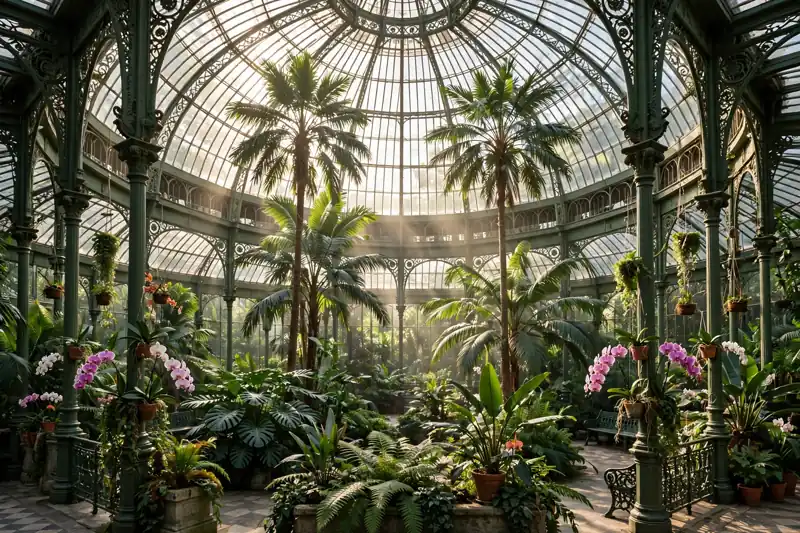
Phipps Conservatory is Pittsburgh’s glass palace. Built in 1893 as a gift from steel magnate Henry Phipps, the Victorian glasshouse in Schenley Park holds a palm court, orchid rooms, a tropical forest, seasonal flower shows and one of the best butterfly rooms in the country. It is the greenest, calmest hour you will spend in the city, and it is at its best in winter, when the Holiday Magic light show runs.
Admission is $22.95 for adults, $20.95 for seniors aged 62 and over, $19.95 for students aged 19 and over, and $13.95 for children aged 2 to 18; children under 2 are free. Hours are Monday to Thursday 9:30 a.m. to 5 p.m., Friday 9:30 a.m. to 10 p.m., and Saturday and Sunday 9:30 a.m. to 5 p.m., with last entry 30 minutes before closing. Timed tickets are encouraged. Holiday Magic runs from November 20 to January 10, when the conservatory is open daily from 9:30 a.m. to 10 p.m. Visitors using EBT cards pay $3 for up to four people. Read about Phipps Conservatory on Wikipedia.
Trap: older guides quote $19.95 adult and $17.95 concession admission. Both prices have risen, so check the current price before you go.
6. Eat your way through the Strip District
The Strip District is Pittsburgh’s market neighbourhood, a half-mile of warehouses and shopfronts along Penn Avenue and Smallman Street that wakes up early and smells of coffee, bread and fish. Come on a Saturday morning, when it is at its busiest, and browse the Pennsylvania Macaroni Company for Italian groceries, Wholey’s for fresh fish, the Pittsburgh Public Market for local produce and crafts, and the coffee roasters and spice shops in between. Street vendors sell flowers, pierogies and Pittsburgh sports gear, and the murals on the warehouse walls make it one of the most photogenic streets in the city.
This is also where the Primanti Bros. story began — the original sandwich shop opened here on 18th Street in 1933, and it still serves the famous sandwich to a queue of market workers, students and tourists. The Heinz History Center, at 1212 Smallman Street, anchors the far end of the Strip. The neighbourhood is free to wander, and the best plan is to arrive hungry and graze. Read about the Strip District on Wikipedia.
7. The National Aviary
On the North Side, the National Aviary is America’s only independent indoor nonprofit zoo dedicated exclusively to birds — more than 500 birds from over 150 species, in walk-through habitats where lorikeets land on your arm and penguins waddle past at eye level. It is small enough to enjoy in two hours and hands-on enough that children love it, but the conservation work behind it is serious: the aviary breeds endangered species and runs one of the country’s leading bird hospitals.
Admission is $20.95 for adults, $18.95 for visitors aged 60 and over, and $17.95 for children aged 2 to 12; children under 2 are free, and members and Carnegie Mellon students are free. The aviary is open daily from 10 a.m. to 5 p.m., and is closed on Tuesdays in the fall and winter — it is open daily in spring and summer, so check the seasonal schedule. Tickets are timed, and parking costs $7. The aviary stands at 700 Arch Street, a short walk from the Andy Warhol Museum, so the two pair well on the same morning. Read about the National Aviary on Wikipedia.
8. Kamin Science Center
Do not look for the Carnegie Science Center — it has a new name. The Kamin Science Center, at 1 Allegheny Avenue on the North Shore, is Pittsburgh’s hands-on science museum: five floors of exhibits, the Buhl Planetarium, a sports science zone and the USS Requin, a real World War II submarine moored on the river that you can climb through. It is the best rainy-day option in the city and the best museum in Pittsburgh for children over five.
Admission is $25 for adults, $20 for seniors and $15 for children aged 3 to 12; children under 2 are free. The centre is open daily from 10 a.m. to 5 p.m. and closed on Tuesdays from Labor Day to Memorial Day, with timed entry every 30 minutes. The newest attraction is Science of Speed, powered by Lenovo, which opened on August 1, 2026: daytime kart racing costs $14 per race for ages 7 and over who are at least four feet tall, while evening sessions on Thursday to Saturday from 5 to 11 p.m. are for ages 18 and over only at $24 per race, with no general admission required at night. The beloved Miniature Railroad and Village closes for about two months before Thanksgiving for maintenance and reopens the day after Thanksgiving. The centre also celebrated its 35th anniversary in October 2026 — it opened on October 5, 1991 — and it was closed to the public from April 13 to May 1, 2026 while the NFL Draft took over the North Shore, reopening on May 2.
Trap: almost every older guide still calls it the Carnegie Science Center. The name changed, the building and the submarine did not.
9. The Cathedral of Learning and the Nationality Rooms
The Cathedral of Learning is the tallest educational building in the Western Hemisphere — 42 stories and 535 feet of Gothic stone on the University of Pittsburgh campus in Oakland — and its ground-floor Commons Room is a half-acre hall that feels like a cathedral. It is free to walk in and look around, and it is one of the most impressive interiors in America.
Upstairs are the Nationality Rooms: 31 classrooms, each designed and decorated in the style of a different culture, from the early American room to the rooms celebrating Pittsburgh’s immigrant communities. The guided 90-minute tour costs $10 for adults aged 19 and over and $6 for visitors aged 18 and under; children under 5 are free. A shorter 30-minute “Mini” tour costs $5 for adults and $3 for young visitors. The rooms are closed on Tuesdays, and self-guided tours run only on Saturdays and Sundays (from August 24 to December 11) and during academic breaks. During term time the rooms are locked while classes are in session, so weekend access is only by paid tour. There is no cash — card, Apple Pay or cheque only — and there are no discounts, not even for Pitt students. The rooms are decorated for the holidays from November 14 to January 16, 2027. Read about the Cathedral of Learning on Wikipedia.
Trap: older guides quote $4 adult admission for the Nationality Rooms. The price is now $10, and the days you can actually get in are narrower than most guides suggest.
10. The Heinz History Center
The Heinz History Center is the largest history museum in Pennsylvania and, by popular vote, the best in America — it was voted the number one history museum in the country in the USA Today Readers’ Choice awards in 2024, 2025 and 2026. Six floors in the Strip District cover Pittsburgh’s story from the French and Indian War to the Steelers, with the city’s industrial past, its immigrant communities, its sports history and its famous ketchup all given their due. It is a Smithsonian affiliate, and it includes the Franco Harris Sports Museum, renamed from the Western Pennsylvania Sports Museum.
Admission is $20 for adults aged 18 to 64, $18 for seniors aged 65 and over, and $11 for students — and since Labor Day 2025, young visitors aged 6 to 17 are free, as are children aged 5 and under, thanks to the Kamin family’s “Free for Kids” initiative and an $11.5 million gift. The museum is open daily from 10 a.m. to 5 p.m. and closed on New Year’s Day, Easter, Thanksgiving and Christmas. A 92,000-square-foot expansion is under construction, so some exhibition spaces may be temporarily closed — check before you go. Read about the Heinz History Center on Wikipedia.
Trap: older guides quote $18 adult and $9 youth admission. The adult price is now $20, and young visitors are now free — the opposite of what most guides say.
11. A Pirates game at PNC Park
PNC Park is consistently voted the best ballpark in Major League Baseball, and one evening there explains why. The stadium, opened in 2001, sits on the North Shore with the downtown skyline and the golden Roberto Clemente Bridge as its backdrop, and there is barely a bad seat in the house. The cheapest seats are standing room, and single-game tickets start from around $6 on the resale market or about $24 from the team — book through SeatGeek, the club’s official secondary marketplace.
The walk to the game is part of the experience. The Roberto Clemente Bridge, the Sixth Street Bridge renamed for the Pirates legend in August 1998, closes to vehicles on game days and becomes a pedestrian corridor to the ballpark. The bridge is one of the Three Sisters — three identical golden self-anchored suspension bridges built between 1926 and 1928, the only trio of identical bridges in the world — and it reopened to traffic on January 1, 2024 after a $35.6 million rehabilitation that had closed it since February 2022. In 2025 the Three Sisters received a historic designation from Pittsburgh City Council. Read about PNC Park on Wikipedia and the Roberto Clemente Bridge on Wikipedia.
Trap: guides that still say the Clemente Bridge is closed for repairs are out of date — it reopened on January 1, 2024. Note also that the bridge was closed to vehicles from October 1 to 11, 2026 for the Pittsburgh Oktoberfest setup; that was event-specific, not permanent.
12. The Mattress Factory and Randyland
The Mexican War Streets on the North Side hold two of Pittsburgh’s quirkiest stops, a five-minute walk apart. The Mattress Factory, at 500 Sampsonia Way, is a museum of contemporary installation art in a converted mattress warehouse, founded in 1977. Its room-sized installations — light, sound, mirrors, whole environments you walk through — are unlike anything in a conventional gallery. Admission is $22 for adults, $20 for seniors and $17 for students; members and children under 6 are free. Hours are Wednesday 11 a.m. to 8 p.m. and Thursday to Sunday 11 a.m. to 6 p.m., closed Monday and Tuesday.
Around the corner is Randyland, the free folk-art house that artist Randy Gilson has painted in every colour he could find. It is a house, a garden and a photo stop all at once, and it costs nothing to visit. Go in the morning light, when the colours are at their brightest, and leave a donation if you enjoyed it.
Trap: older guides quote $20 adult and $15 student admission for the Mattress Factory. The 2026 prices are $22 and $17.
13. Acrisure Stadium and the Steelers
Pittsburgh is a football town, and Acrisure Stadium is its cathedral. The 68,400-seat stadium on the North Shore has been home to the Steelers since 2001, and locals still call it Heinz Field, its name for the first two decades. On game days the whole North Shore turns black and gold, the Terrible Towels come out, and the tailgates start hours before kick-off. Tickets are among the priciest in the NFL and most games sell out, so buy early through the team’s official channels and expect to pay well over face value on the secondary market.
Even without a ticket, the stadium is worth a walk-by. In April 2026 it was the centre of the biggest event in Pittsburgh’s modern history: the 2026 NFL Draft, held in the city for the first time since 1948. The Draft Theater and main stage stood on the North Shore outside Acrisure Stadium, the free fan festival filled Point State Park, and the Roberto Clemente Bridge connected the two. The draft drew a record 805,000 fans over three days — beating Detroit’s 2024 record of 775,000 — with 320,000 on opening night alone, and Fernando Mendoza was taken first overall. Free “Football Flyer” shuttles and free light rail and incline rides ran throughout the draft, paid for by Sheetz. Read about Acrisure Stadium on Wikipedia and the 2026 NFL draft on Wikipedia.
Trap: guides listing the NFL Draft as an upcoming event are out of date. It happened on April 23 to 25, 2026, and the record crowds are now part of the city’s story, not its future.
14. The Pittsburgh Zoo and Aquarium
The Pittsburgh Zoo and Aquarium is one of the oldest zoos in America, and it now holds more than 4,000 animals from 475 species, from elephants and sea lions to the aquarium’s sharks and penguins. It sits in Highland Park, a 20-minute bus ride from downtown, and it is a full half-day with children. Parking is free, which is rare for a major American zoo.
Admission is seasonal, so check the date before you go. In peak season, from Memorial Day to Labor Day, it is $30 for adults online ($32 at the gate), $25 for children aged 2 to 13 and $28 for seniors aged 60 and over. In spring and fall, from April 1 to Memorial Day weekend and from the day after Labor Day to October 31, it is $27, $23 and $25. In the off-season, from November 1 to March 31, it is $22, $18 and $20. Buying at the gate adds $2, and online bookings carry a flat $4 transaction fee. Read about the Pittsburgh Zoo on Wikipedia.
15. Kennywood
Kennywood is Pittsburgh’s amusement park, and it has been thrilling the city since 1898. The National Historic Landmark park in West Mifflin, 11 miles east of downtown, mixes classic wooden coasters — the Thunderbolt, running since 1924 — with modern steel rides, a water park area and the kind of old-fashioned midway that has mostly vanished from America. It is also the park that gave the world the Potato Patch fries, a Pittsburgh institution in their own right.
Tickets at the gate cost $74.99, but online dated tickets run from $39.99 to $49.99, and an Any Day ticket is $59.99 — never pay the gate price if you can book ahead. Phantom Fall Fest dated tickets start from $37.49, and Holiday Lights runs from November 13, 2026 to January 3, 2027 at $19.99. Children aged 3 and under are free, general parking is free, and visitors under 17 need a chaperone aged 21 or over. The park’s 127th season opened on April 12, 2026 — 412 Day — its earliest opening since 1931.
The headline ride is the Steel Curtain, a 220-foot steel hypercoaster with nine inversions, the most of any coaster in the United States. It closed in July 2023, sat out the whole 2024 season for structural modifications, and reopened on May 24, 2025 with new support columns and a new logo. It is running in 2026, but it is a temperamental ride — its longest recorded wait in the past year was 200 minutes on July 13, 2026 — so arrive at opening if it is your priority. Note too that Kennywood changed hands in 2025: Herschend, the company behind Dollywood, bought Kennywood, Idlewild and Sandcastle from Palace Entertainment. The name stays the same. Read about Kennywood on Wikipedia.
Trap: guides that still say the Steel Curtain is closed are out of date. It reopened in May 2025. Guides that call the park’s owner Palace Entertainment are also out of date.
16. Lawrenceville
Lawrenceville is Pittsburgh’s trendiest neighbourhood, and the best place in the city to spend a slow afternoon. Butler Street runs for a mile through the old mill workers’ district, now lined with boutiques, coffee roasters, record shops, breweries and some of the best restaurants in the city. Start at Arsenal Park, wander the side streets of pastel row houses, and end with dinner at one of the neighbourhood’s celebrated kitchens — book ahead on weekends, as the best tables go fast.
Lawrenceville is also the best window into how Pittsburgh has changed. The neighbourhood that once housed steelworkers is now home to artists, tech workers and young families, and it has kept its brick character while doing it. It pairs well with a morning at the Mattress Factory and Randyland, which are a short drive away on the North Side, or with an evening at the Strip District. Read about Lawrenceville on Wikipedia.
17. The Frick Pittsburgh
In Point Breeze, the Frick Pittsburgh preserves the Gilded Age world of Henry Clay Frick, the coke and steel magnate who helped build the city and then left it a remarkable legacy. The site centres on Clayton, the Frick family’s mansion, alongside an art museum, a greenhouse, a café and the family’s collection of carriages and cars. It is quieter and more intimate than the big museums, and the gardens are lovely in spring and autumn.
Check the website for current admission before you go, as prices and tour availability change with the seasons — the mansion is visited by guided tour only. The Frick is a good half-day stop between Oakland and the eastern neighbourhoods, and it pairs naturally with a walk in nearby Frick Park, the city’s largest park. Read about the Frick Pittsburgh on Wikipedia.
18. Carrie Blast Furnaces
For the Pittsburgh that most visitors never see, take a tour of the Carrie Blast Furnaces in Homestead, across the river from the city. The two rusting furnaces are all that remains of the Homestead Works, once one of the largest steel mills in the world, and the guided tours run by Rivers of Steel walk you through the furnaces, the casting house and the workers’ stories — including the 1892 Homestead Strike, one of the most famous labour battles in American history. It is industrial heritage at its most dramatic, and photographers love it at golden hour.
Tours run seasonally and sell out on weekends, so book ahead through Rivers of Steel. Wear sturdy shoes and bring a jacket — the site is mostly outdoors and mostly steel. Read about the Carrie Furnaces on Wikipedia.
19. The Three Rivers Heritage Trail and a Gateway Clipper cruise
The best way to understand Pittsburgh is from the water. The Three Rivers Heritage Trail runs for miles along the riverfronts, and the flat, paved path is perfect for walking or cycling between downtown, the North Shore, the Strip District and Station Square. Rent a bike and ride the full loop, or just walk the North Shore stretch at sunset, when the skyline lights come on.
Then get on the river itself. The Gateway Clipper Fleet has sailed Pittsburgh’s three rivers since 1958, from its dock at Station Square, 350 West Station Square Drive. The one-hour Three Rivers Sightseeing Cruise costs $33.53 per adult all-in, with children aged 3 to 12 at $14.29 plus tax and fees, and it sails from April to November, with the captain narrating the city’s story as you cruise the Allegheny, Monongahela and Ohio rivers. Dinner and dance cruises run on select evenings, and veterans and active military ride the sightseeing cruise free. The fleet also runs game-day shuttles to Acrisure Stadium and PNC Park: $8 one way or $15 round trip, with children aged 6 and under free. Read about the Three Rivers on Wikipedia.
20. Fallingwater — the day trip
The best day trip from Pittsburgh is one of the most famous houses in the world. Fallingwater, Frank Lloyd Wright’s masterpiece built over a waterfall in the Laurel Highlands, sits about 70 miles — around 90 minutes’ drive — from the city, at 1491 Mill Run Road in Mill Run. The Kaufmann family commissioned it in 1935, it opened in 1937, and it is celebrating its 90th anniversary in 2026. The Western Pennsylvania Conservancy has run it since 1964.
The Guided Architectural Tour costs $42 from March 14 to December 31, with an In-Depth Guided Tour at $89, a Grounds Pass at $18 and a Guided Grounds Walking Tour at $32, plus a 6 percent non-refundable booking fee. Fallingwater is closed on Wednesdays, New Year’s Day, Thanksgiving, Christmas Eve and Christmas Day. Entry hours are 8 a.m. to 4 p.m. from March 14 to May 31, 8 a.m. to 4:30 p.m. from June 1 to August 31, 8 a.m. to 4 p.m. from September 1 to November 29, and 9:30 a.m. to 3 p.m. in winter. Children under 6 are not allowed on house tours, and the In-Depth tour is for ages 9 and over. Advance booking is essential — reserve four to six weeks ahead in peak months of July, August and October — and allow about two hours on site plus 20 minutes for check-in. Read about Fallingwater on Wikipedia.
Trap: older guides quote $35 for the standard tour. The 2026 price is $42, and the Wednesday closure catches out visitors who assume it is open every day.
Pittsburgh in 3 days — a ready-made itinerary
| Day | Where | What you do |
|---|---|---|
| Day 1 | Downtown and the Point | Point State Park and the Fort Pitt Museum, lunch in the Strip District, the Heinz History Center, the Duquesne Incline at sunset |
| Day 2 | Museums and the North Shore | Carnegie Museums and Phipps in Oakland, the Cathedral of Learning, the Warhol Museum, a Pirates game at PNC Park |
| Day 3 | Neighbourhoods and a day trip | Lawrenceville in the morning, the Mattress Factory and Randyland, the National Aviary, then Kennywood or Fallingwater |
Day 1: Downtown, the Point and the Incline
Start at Point State Park, where the three rivers meet, and visit the Fort Pitt Museum while the morning is quiet. Walk the riverfront to the Strip District for lunch — a Primanti Bros. sandwich at the original 18th Street shop — then spend the afternoon at the Heinz History Center. In the late afternoon, cross to Station Square and ride the Duquesne Incline up Mount Washington for the sunset view over the city. Finish with dinner in the Cultural District, around the new Arts Landing public space on Penn Avenue, which opened in April 2026 in time for the NFL Draft.
Day 2: Museums and the North Shore
Spend the morning in Oakland: the Carnegie Museums of Art and Natural History, then Phipps Conservatory, with a stop at the Cathedral of Learning and the Nationality Rooms in between. After lunch, cross to the North Shore for the Andy Warhol Museum and the National Aviary, then walk the Three Rivers Heritage Trail to PNC Park for an evening Pirates game. If there is no game, take the Gateway Clipper’s sunset cruise from Station Square instead.
Day 3: Neighbourhoods and a day trip
Spend the morning in Lawrenceville, browsing Butler Street and stopping for coffee, then head to the North Side for the Mattress Factory and Randyland. In the afternoon, choose your adventure: families should go to Kennywood, 11 miles east of downtown, for the coasters and the Steel Curtain; architecture lovers should drive 90 minutes to Fallingwater in the Laurel Highlands — book the tour weeks ahead. Either way, end the trip with dinner in Lawrenceville, where the city’s best tables are.
Best time to visit Pittsburgh
Pittsburgh has four real seasons, and the best time to visit is from May to October. September and October are the sweet spot: warm days, cool evenings, autumn colour in the parks and the summer crowds gone. Summer is festival season and the busiest time, while winter is cold and snowy but brings the city’s best light shows and the lowest hotel prices.
| Season | Months | Weather | What to expect |
|---|---|---|---|
| Spring | March to May | Highs 50°F to 72°F, warming up | Cherry blossom and redbud in the parks; the Pittsburgh Marathon in early May; museum season in full swing |
| Summer | June to August | Highs 80°F to 83°F, humid | The Three Rivers Arts Festival in June, Picklesburgh in July, the Vintage Grand Prix in July; the busiest and most expensive season |
| Autumn | September to November | Highs 75°F to 52°F, cooling down | The best weather of the year; fall colour in Frick Park and Schenley Park; Holiday Magic opens at Phipps in late November |
| Winter | December to February | Highs 37°F to 42°F, lows in the 20s | About 44 inches of snow a year; Light Up Night in November; the lowest hotel prices; the inclines and museums are at their quietest |
January is the coldest month, with an average high of about 37°F and lows in the low 20s, while July is the warmest, with an average high of about 83°F. The city gets about 44 inches of snow a year, so winter visitors should pack boots and a warm coat. Rain falls fairly evenly through the year, at about 40 inches annually, so a light rain jacket is worth packing in any season.
The 2026 calendar was dominated by the NFL Draft in April, but the annual events are the reliable anchors. The Dollar Bank Three Rivers Arts Festival, founded in 1960, moved to its new permanent home at Arts Landing in the Cultural District in 2026 — the 67th festival ran from June 5 to 7 and June 11 to 14, 2026, free, from noon to 9 p.m., with headliners including the Spin Doctors, The Pharcyde, Delfeayo Marsalis and the Uptown Jazz Orchestra, and Joan Osborne. In 2025 the festival had temporarily relocated to the Strip District for a shorter four-day run while Arts Landing was under construction, so guides that still place it at Point State Park are out of date. Picklesburgh, the city’s pickle festival, runs downtown from July 16 to 19, 2026. Light Up Night, the downtown holiday kick-off, lights the city in November, and Phipps Conservatory’s Holiday Magic runs from November 20 to January 10.
Where to stay in Pittsburgh
Downtown and the Cultural District are the best base for first-time visitors: walkable, close to Point State Park, the Strip District and the theatres, and next to the new Arts Landing public space. The North Shore suits sports fans, with the stadiums, the Warhol Museum and the science centre on your doorstep. Oakland suits museum lovers and budget travellers, with the Carnegie Museums, Phipps and the universities nearby. Lawrenceville suits food lovers and couples who want the city’s best restaurants and bars within walking distance. The South Side suits night owls, with its long strip of bars on East Carson Street.
| Area | Best for | What to expect |
|---|---|---|
| Downtown and the Cultural District | First-time visitors | Walkable, close to the Point and the theatres; the best base for a short trip |
| North Shore | Sports fans and families | The stadiums, the Warhol Museum, the science centre and the aviary nearby |
| Oakland | Museum lovers and budget travellers | The Carnegie Museums, Phipps and the universities; good bus links |
| Lawrenceville | Food lovers and couples | The city’s best restaurants and bars; quieter streets; book ahead on weekends |
| South Side | Nightlife | East Carson Street’s long strip of bars; lively and loud on weekends |
| Strip District | Market lovers | Morning markets and the Primanti Bros. original; quieter at night |
Book early for big weekends: the NFL Draft in April 2026 filled the city, and the Three Rivers Arts Festival, Picklesburgh and Steelers home games all push hotel prices up. Weekday stays in winter are the cheapest time to visit.
Getting around Pittsburgh
Pittsburgh is easier to get around than its hills suggest. The city’s transit agency is PRT, and a base fare of $2.75 buys a three-hour pass with unlimited transfers when you pay by card or mobile app — cash buys a single ride only. A Day Pass costs $7, a 7-Day Pass $25 and a 31-Day Pass $97.50. Half fare is $1.35, seniors aged 65 and over ride free with a Pennsylvania Senior ID, children under 5 ride free and children aged 6 to 11 pay $1.35. The T light rail, with its Red, Blue and Silver lines and 53 stations, is free between Allegheny Station on the North Shore and First Avenue downtown — the Free Fare Zone — which covers the stadiums, the Warhol Museum and the Cultural District.
There is no rail link to the airport. The 28X Airport Flyer bus runs from downtown to Pittsburgh International Airport in about 40 minutes for $2.75. The airport’s brand-new terminal opened in November 2025, so older guides that describe the old terminal layout are out of date. ConnectCard, the old smart card, is being replaced by the ReadyFare tap card, which is rolling out through 2026 and 2027.
Two warnings for readers of older guides. First, a proposed fare rise to $3 and 35 percent service cuts — including eliminating 41 bus routes and the Silver Line — was debated in 2025 and slated for as early as February 2026, but the official PRT fare page still shows $2.75 as of November 2026, so the hike did not take effect. Do not plan around cuts that never happened. Second, the two inclines are not interchangeable: the Duquesne Incline is $2.50 one way and cash only, while the Monongahela Incline runs on the $2.75 PRT fare. Downtown, the Strip District, the North Shore and Oakland are all walkable, and the Three Rivers Heritage Trail links the riverfronts for walkers and cyclists.
Pittsburgh food you have to try
1. The Primanti Bros. sandwich
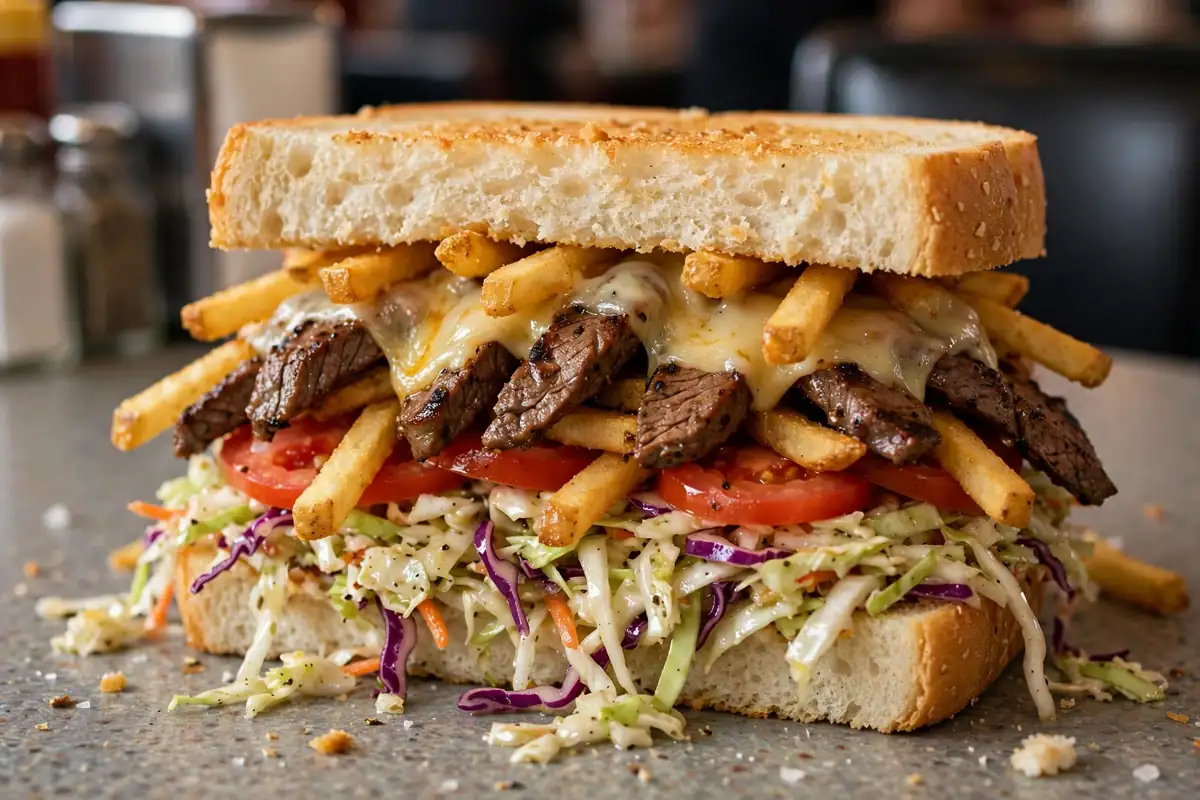
Pittsburgh’s signature dish is a sandwich with the side dish built in. The Primanti Bros. sandwich piles grilled meat, melted provolone, tomato, vinegar coleslaw — vinegar, not creamy — and a heap of hand-cut fries inside two slices of egg-battered Italian bread. It was invented in 1933 at the original shop on 18th Street in the Strip District, as a one-handed meal for market workers and truckers who had no time to sit down. The Almost Famous sandwiches cost $11.99 for most fillings, with steak at $13.19, the Colossal Fish and Cheese at $13.79 and the Tall Boys at around $14.99. There are now about 40 locations in about eight states, but the Strip District original is the one to visit. Do not order a side of fries — they are already inside the sandwich. Read about Primanti Brothers on Wikipedia.
2. Pierogies
Pittsburgh is the pierogi capital of America, and the dumplings are a point of civic pride. The city’s Polish and Eastern European heritage made the pierogi — a soft dough pocket filled with potato and cheese, sauerkraut or meat, then pan-fried in butter and served with sour cream and onions — into the local comfort food. You will find them everywhere: in the Strip District markets, at church pierogi sales, on bar menus across the city, and at PNC Park, where the Great Pittsburgh Pierogi Race sends giant pierogi mascots sprinting around the field between innings of Pirates games. Order them fried, not boiled, and ask for extra onions.
3. The Pittsburgh salad
The third Pittsburgh classic is a salad with fries on top. The Pittsburgh salad starts with mixed greens and then adds grilled chicken or steak, tomatoes, cheese and a pile of hot french fries, finished with ranch dressing. It sounds wrong until you try it — the hot fries against the cold greens are the point — and it is on almost every menu in the city, from diners to sports bars. It is the same instinct as the Primanti sandwich: in Pittsburgh, the fries go inside the meal, not beside it.
Free things to do in Pittsburgh
Pittsburgh is a generous city for free things. Point State Park costs nothing, and neither does the Three Rivers Heritage Trail that runs along the riverfronts. Randyland, the folk-art house on the North Side, is free, and so is the view from Mount Washington — you only pay if you ride the incline up. The Strip District is free to wander, Frick Park is the city’s largest park and free to explore, and the Cathedral of Learning’s Commons Room is free to walk into and admire. On the North Shore, the Mister Rogers statue is a free photo stop for fans of the neighbourhood’s most famous son — read about Fred Rogers on Wikipedia. And two of the city’s best museums are free for young visitors: the Heinz History Center and the Fort Pitt Museum both admit children and teenagers free, so a family day out costs far less than most guides suggest.
Frequently asked questions
How many days do you need in Pittsburgh?
Three days is ideal. Two days covers the highlights — the incline, the Warhol, the Carnegie Museums and PNC Park — but three days lets you add a neighbourhood day in Lawrenceville and a day trip to Kennywood or Fallingwater without rushing.
Is Pittsburgh walkable?
Downtown, the Cultural District, the Strip District, the North Shore and Oakland are all walkable, and the Three Rivers Heritage Trail links the riverfronts. The hills are the problem: Mount Washington is a climb, so take the incline, and use the T light rail or a bus between neighbourhoods. The Free Fare Zone on the T covers downtown and the North Shore.
What is Pittsburgh famous for?
Steel, first of all — the city built America on it — and then its 446 bridges, its three rivers, the Steelers, the Pirates, Andy Warhol, Mister Rogers and the Primanti Bros. sandwich. It was ranked the third most liveable city in the United States in The Economist Intelligence Unit’s 2024 Global Liveability Index.
Is the Duquesne Incline worth it?
Yes. It costs $2.50 one way, takes five minutes, and the view from the top of Mount Washington is the best in the city — especially at sunset. Go in the evening, when the downtown lights come on and the rivers turn gold.
When is the best time to visit Pittsburgh?
From May to October, with September and October the sweet spot for weather and crowds. Summer is festival season and the busiest time, while winter is cold and snowy but brings the lowest hotel prices and the city’s best light shows.
How do I get from Pittsburgh airport to downtown?
There is no rail link to the airport. The 28X Airport Flyer bus runs from downtown to Pittsburgh International Airport in about 40 minutes for $2.75. Rideshares and taxis take about 25 minutes in light traffic. The airport’s brand-new terminal opened in November 2025.
Further reading — Wikipedia and Reddit
For more background, read the Pittsburgh page on Wikipedia and join the conversation on the Pittsburgh subreddit. No Quora link is included here — we could not verify a Pittsburgh-specific thread on Quora, so we have not invented one.
Your Pittsburgh trip, in one paragraph
Pittsburgh is the city that surprises you: ride the Duquesne Incline at sunset, spend a morning with the Warhol and the dinosaurs, eat a sandwich with the fries already inside it, and catch a ballgame under the skyline at PNC Park — and you will understand why the city that hosted a record-breaking NFL Draft in 2026 now ranks among America’s most liveable places. If Pittsburgh has whetted your appetite for American city breaks, our guides to Chicago, Nashville, Los Angeles, Orlando, Miami, San Diego, Denver, Savannah, Dallas, Charleston, San Francisco, Myrtle Beach, Las Vegas, San Antonio, London, Portland, Pigeon Forge, Puerto Rico, Atlanta, Phoenix, Paris, Maui, Key West, Colorado Springs, Sedona, Chattanooga, Palm Springs, St Louis, Tokyo, Japan, Kansas City, Tennessee, Branson, Florida, Amsterdam, Montreal, Honolulu, Fort Lauderdale, Toronto, Aruba, Charlotte, Indianapolis, New Orleans, Destin, Santa Barbara, Mexico City, Arizona, Osaka and Minneapolis cover the rest of the map — pick your next city and go.

About the Author